




As the night falls, billions of zooplankton, crustaceans and other marine organisms rise to the ocean surface to feed on microscopic algae and they return to the depths at sunrise. The waste from this largest migration of creatures on earth sinks to the ocean floor, removing millions of tonnes of carbon from the atmosphere each year. This activity is one of thousands of natural processes that regulate the Earth’s climate. Together, the planet’s oceans, forests, soils and other natural carbon sinks absorb abouthalf of all human emissions.
However, in 2023 – the hottest year ever recorded, an international team of researchers have found that the amount of carbon absorbed by land has temporarily collapsed. The final result was that forest, plants and soil absorbed almost no carbon. There are also warning signs at sea. Greenland’s glaciers and Arctic ice sheets are melting faster than expected, which is disrupting the Gulf Stream ocean current and slows the rate at which oceans absorb carbon.
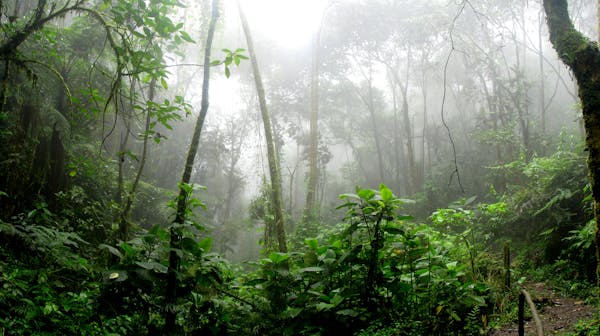
In recent years, several estimates have been published on how the world could increase the amount of carbon that its forests and natural ecosystems absorb. But many researchers say the real challenge is protecting the carbon sinks and stores we already have by halting deforestation, cutting emissions and ensuring they are as healthy as possible. Professor Pierre Friedlingstein of Exeter University, who oversees the annual Global Carbon Budget calculations states: “We shouldn’t rely on natural forests to do the job. We really, really have to tackle the big issue: fossil fuel emissions across all sectors.”


