


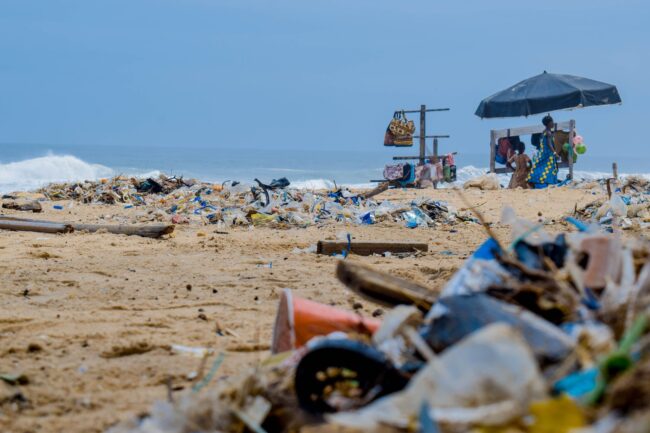


According to a new UN Environment Programme (UNEP) report, plastic pollution could reduce by 80 per cent by 2040 if countries and companies develop policy and market shifts using technologies that already exist.
First of all, the report suggests problematic and unnecessary plastics should be eliminated. Then three market shifts should be realized: reuse, recycle and reorient and diversify products.
- Reuse: Promoting reuse options – including refillable bottles, bulk dispensers, packaging take-back schemes etc.- can reduce 30 per cent of plastic pollution by 2040.
- Recycle: Reducing plastic pollution by an additional 20 per cent by 2040 can be achieved if recycling becomes a more stable and profitable venture.
- Reorient and diversify: Careful replacement of products such as plastic wrappers and takeaway items with products made from alternative materials (e.g. paper or compostable materials) can result in an additional 17 per cent decrease in plastic pollution.
The shift to a circular economy would lead to approx. USD 1.27 trillion in savings and another USD 3.25 trillion would be saved in health, climate and air pollution. Finally, the shift could bring about a net increase of 700.00 jobs by 2040 – especially in low-income countries – and would significantly improve the livelihoods of millions of workers.


