


100% AUTOMATED PROCESSING IN NEAR FUTURE
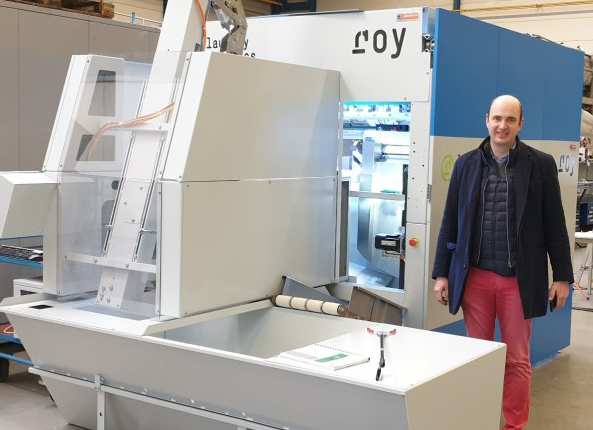
The immense transformation of the industry was best demonstrated by the CINET Webinar; “Robotization & Automation for Sustainable Processing?” at the GBPAP22 during Expo Detergo, October last. The worldwide leading suppliers of these new technologies, Laundry Robotics, Inwatec / Jensen and Kannegiesser presented available technologies ready for usage to create a new future of higher productivity, better efficiency, less human labor for heavy and/or dangerous work. This is believed to lead to 100% automated processing at short notice.
Transformation
Further automation is unavoidable in order to be able to meet the customer’s wishes. Processing at an acceptable cost requires increasing volumes and precise treatments. Modern IT solutions are now available, resulting in sustainability to the highest standards while at the same time significant cost savings are realized. On Demand software, modern (precision) marketing techniques and services to meet personal needs lead to profitable new companies, even in these difficult times. Robotization and automation has already been introduced in industrial processing and will create new exciting opportunities.
LAUNDRY ROBOTICS
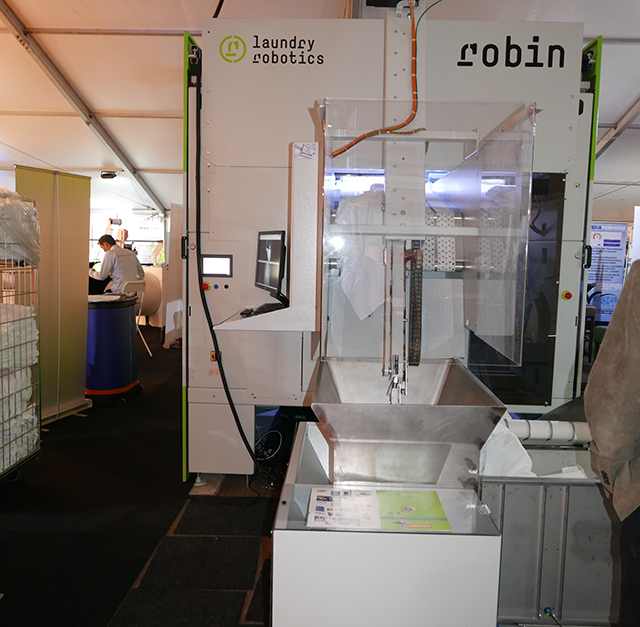
Walter ten Hagen of Laundry Robotics presented “The ultimate solution”. Laundry Robotics has been installing robots for automatic towel feeding in laundries for more than 3 years. Millions of towels have already been processed with these solutions. The laundry industry worldwide is faced with far reaching challenges: limited textile supply, high energy costs and lack of personnel to name a few. Fresh ideas are needed in laundries. Rethinking established processes and looking for potential gains in efficiency and effectiveness are keys to future success. Mr. Ten Hagen explained that robots help to shape this future. Robots and further automated systems provide the tools for more effective & efficient tailormade processing of laundry. However, Ten Hagen feels the discussion should be about processing of textiles in the whole chain. About making money again. About laundries following objectives regarding operational targets and what services they want to provide to their customers.
INWATEC / JENSEN
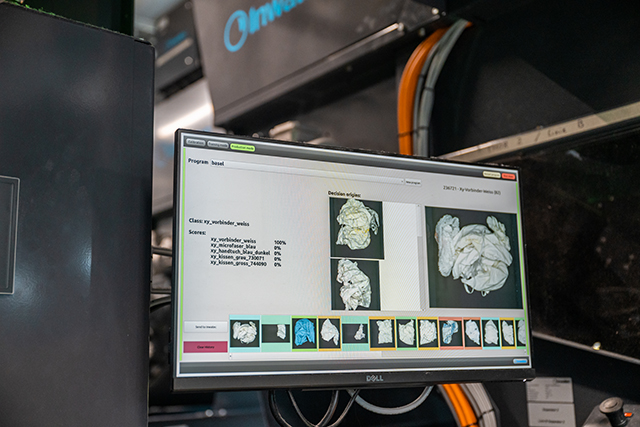
Mads Andresen, on behalf of Inwatec / Jensen presented their “Washing Robots”. “Robots doing laundry were once an idea for futuristic science fiction movies. That future is now being realized by dozens of laundries around the world”, Andresen stated. Inwatec, partner of the JENSEN-GROUP, offers robots that automate the most labor-intensive or dangerous jobs in a laundry. In dirty laundry sorting, robots identify each item, scan it for foreign objects that should not enter the washing process, and then sort it into the relevant category. On the clean side, stack storage systems contribute to the level of hygiene- and efficiency level of the flat finishing area. “The range of towel feeding robots now has a new generation with improved performance and reliability,” according to Andresen.
Advantages of laundry robots:
- Increased productivity: Machines can work 24/7, don’t need regular breaks, and are not prone to human error.
- Even better hygiene: Removing humans from the processing means less possibility for contamination and even better hygiene from the get-go.
- Keeps workers safe: When it comes to keeping your staff safe, laundries should not compromise. Using an automatic sorting process improves occupational safety by automatically identifying possibly hazardous objects – and thus reducing risk of accidents and infections to zero.
- Creates more sustainability: By automatically detecting foreign objects and identifying garments, laundries prolong the lifespan of both machines and textiles.

Robots are simply more effective
The challenge with every AI project is to empower machines with enough learning capacity that they can deal with a variety of tasks and objects effectively. While human minds have the amazing ability to adapt more or less effortlessly to new problems, robots have to be programmed to do so. The way to get a machine learning is through the right algorithms – and a large amount of data. This is why any intelligent laundry revolution is linked to smart data management solutions. While traditionally, identifying garments has been one of the last steps in the laundry process, the new solutions capture the data from the beginning.
Requirements for installing robots
Suppliers of robot technology need to comply with CE/UL. When it comes to capabilities, it is obvious that a strong team of well-trained engineers is needed to design and build such advanced systems. Jensen partner Inwatec is located in Odense/Denmark, a city that is home to one of the world’s most reputable universities when it comes to robotics. We also believe that this need for more educated people will have a positive impact on the society as there is a push to get education. Robotics are moving our entire industry to a next level, making it a more attractive working place for laundry staff and a more attractive business opportunity for laundry owners and possible investors.
KANNEGIESSER: Revolutionary change

Mr. André Tienemann of Kannegiesser sees a “Revolutionary change in Textile Service processing as a result of automated logistics and robotics”. Industry 4.0, SmartLaundry and artificial intelligence are no buzzwords. According to Kannegiesser, these concepts are becoming a reality for many textile services companies as interconnectivity, smart automation and advanced robotics make their way to laundries around the world. However, a patchwork of specialized equipment and software suppliers can make laundries complicated and prone to failure. That is why Kannegiesser not only supplies the equipment, but also the matching logistics solutions for the entire laundry operation for maximum automation from washing to drying to finishing to sorting. The ultimate goal: a reliable and efficient operation that runs smoothly.
Production improvements
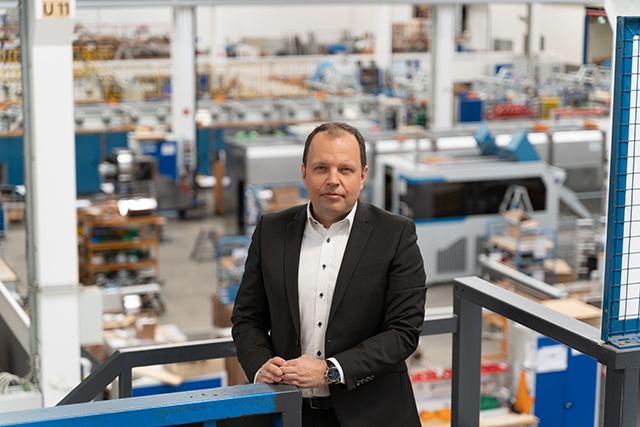
How will robot technology be introduced? Mr. Otto Burger, CEO of Sales & Service explains: “The higher automation will need some more energy, but that will be very quickly offset by very attractive productivity gains and lower labor costs per kilogram. The lack of components can be an issue, however, currently we at Kannegiesser see improvement of the situation. Technically, we are more or less able to set up a 100 % automated and robotized laundry. From sorting to the dispatching of textiles, which are then ready for distribution to the customer. In practice, the laundry and the machine industries need time to customize the technology as part of the overall business model of the individual laundries. That will take some time, but we believe most of processes in a laundry will soon be fully automated.”


