


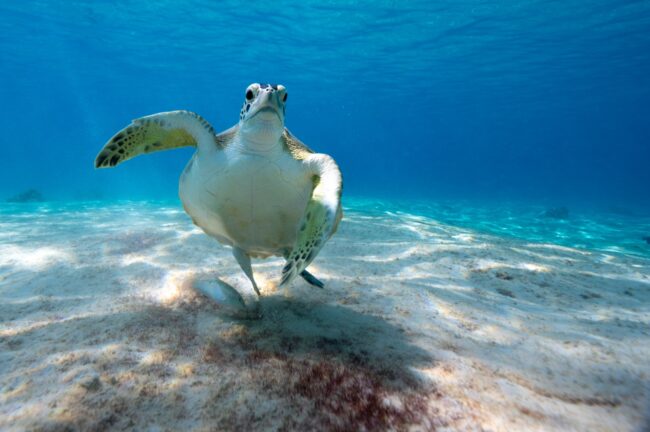
The Proceedings of the National Academy of Sciences – one of the world’s most-cited and multidisciplinary scientific journals, publishing more than 3,500 research papers annually – recently released a new study. Led by Ocean Conservancy (a U.S.-based organization that works globally to protect the ocean) researchers, this most extensive study ever quantified the extent to which a range of plastic types — from soft, flexible plastics such as bags and food wrappers, to hard plastics ranging from fragments to whole items like beverage bottles — result in the death of seabirds, sea turtles, and marine mammals. The study also found that nearly half of the individual animals who had ingested plastics are red-listed as threatened species— that is, near-threatened, vulnerable, endangered or critically endangered — by the International Union for Conservation of Nature (IUCN).
Scientists estimate that more than 11 million metric tons of plastics enter the ocean every year. Much of those plastics are single-use items like those found by volunteers during Ocean Conservancy’s annual International Coastal Cleanup®. Since 1986, more than 19 million volunteers have removed over 400 million pounds of trash from beaches and waterways worldwide.
Ocean Conservancy’s Senior Director of Conservation Cleanups Allison Schutes says: “When you pick up just a few pieces of plastic, you are helping to protect the life of a marine animal. And when we all clean up together, we are helping to protect countless lives.” The organisation’s Director of Plastics Policy Dr. Anja Brandon states: “In the fight to protect our marine wildlife, every policy and every individual action matters.”
How to fight the Ultimate Threat to the Diversity of Life on Our Planet
How to fight the Ultimate Threat to the Diversity of Life on Our Planet
← Go Back


