





Background:
Hygiene became a number one focus point for the hospitality industry during the COVID 19 outbreak. This focus was laid down in a system that some people defined as Hospitality 5.0 , in which specifically cleanliness and reducing the number of contact points were addressed.
We all know that the risks for cross-contamination in the hotel industry can’t be compared with those that are present in a hospital environment. This doesn’t mean that there are no potential hygiene risks in a hotel room. Just think about the more recent outbreak of Monkeypox.
The laundry can play an important role in avoiding any discomfort of the hotel guest[s] in relation to the linen in use. The Masterclass Hospitality Hygiene – as explained in section 7 – can take us on a journey through all aspects of hygiene discipline in the laundry. But for now, we selected examples that need serious attention for any laundry team in the hospitality industry.
Example : Bed bugs – Cimex
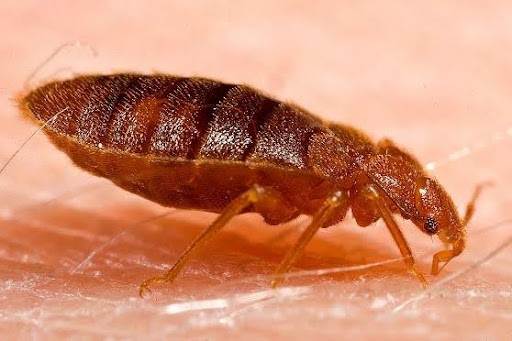
Bed bugs are parasitic insects that feed on blood, usually at night. Their bites can result in various health issues, including: skin rashes and allergic symptoms. Their bites are not known to transfer any infectious disease.
These bed bugs were almost extinct after World War II, but have made a remarkable comeback in the last 30 years. Eliminating bed bugs from hotel rooms is not an easy task since bed bugs can survive up to 300 days without feeding.
They are resistant to insecticides and therefore it is recommended to steam the mattress and wash the bed linen at a minimum of 60 degrees Celsius.
Other animal threats are also at the increase: such as Scabies and Dust Mites. That last one especially in high humidity areas.
Focus for hospitality laundry
Special attention should be given to those linen classifications that come into contact with food. Tea towels, kitchen cloths and napkins need to be washed in a wash [process that has proven disinfecting properties.
These wash classifications are also sensitive for growing mould [Aspergillus Niger]. These black stains can be avoided with the disciplines: a) making sure that the soiled linen is transferred to the laundry a.s.a.p. after use and b) residual moisture to be low before and after the wash. Growth of mould can also be minimised when the use of starch is minimised, or better: avoided.
In addition to hotel laundries, one finds other hospitality laundries – each with their own challenges:
Cruise lines: Known for a regular outbreak of Noro Virus or ETEC. To face these challenges it is required having a dedicated hygiene plan in place.
Airline Laundry: Hygienic safety of airline blankets is required. These laundries also process other textiles that have to be hygienically clean, such as chefs work wear and napkins.
FOOT NOTE:
A resurgence of Mpox [formerly known as monkeypox] has been observed in Q1 of 2024 in various countries. Hotel laundries have to make sure that the room linen is washed in line with strict hygiene guidelines. See also chapter 6 that deals with -amongst others – the Masterclass Hygiene in the Hospitality Industry.


