




Background:
Infection prevention in care homes is an important daily challenge. The residents are living in close proximity to one another and most of them have a frail health. Within a care home, good hygiene is essential as our immune system begins to weaken with age and can become more susceptible to infections. The quality manager of the laundry together with the infection preventionist of the care home can minimise the risks of a serious outbreak within the premises.
Example : Clostridium difficile
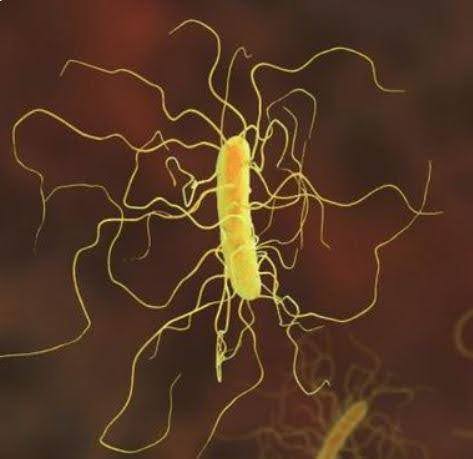
Recently re-named to Clostridioides difficiles is often shorted as C.Diff. And can cause diarrhoea. The interesting thing is that C.Diff bacteria harmlessly live in our bowel along with lots of other types of bacteria. But sometimes – mostly when taking antibiotics – the balance in your bowel can change – and this is causing an infection.
When someone has a C.Diff infection, it can spread to other people very easily if the bacteria found in the person’s poo get onto objects and surfaces. This is where the linen handling and washing comes into play.
Linen classification such as Residents Clothing, including night dresses and shirts, pyjama tops and bottoms might not be suitable textiles that can be washed at high temperature. Now in the laundry industry we see a trend that all of these above mentioned wash classifications to be washed at 40 degrees Celsius. A well-defined wash process needs to be applied, in order to make sure that these bacteria – AND its spores – are being inactivated at this low temperature. This includes the dosage of a ”rubber stamped “ disinfectant. For instance a disinfecting product that contains PAP = Phtalimidoperoxycaproic acid. OPL’s and commercial laundries have to make sure that this low temperature wash process [40°C] is validated.
SPLIT:
Most of the linen that originates from a care home can be classified as standard soil linen. But there are always exceptions to this rule. The linen that is classified as infected linen and clothing applies to one of the following definitions:
- Linen from a resident with a known or suspected infection, such as varicella zoster [shingles], Bacillus Aureus, Noro virus
- Linen from residents with diarrhoea
- Linen from residents with body fluids on them , that have with blood-borne viruses.
All in all : Make sure that all hygiene measures are being taken to ensure that cross infection will not take place . Not during transport of the linen. Nor during sorting and washing , but most of all when the linen has been returned to the care home[s]. See also the last chapter of this document.


