





Introduction
One of the objectives of the committee is to inform the laundry industry about potential hygiene issues. This is done by maintaining an early warning system for emerging infectious diseases. These bulletins are intended to keep you posted on what is happening in the field of hygiene internationally and on a local scale. Developments that might influence the laundry procedures in the long run.
Recommended measures for the healthcare laundries involved:
- Use all available Personal Protective Equipment. In particular during sorting and when loading the washing machines.
- Application of hygienical clean laundry processes.
COVID19
The IHAC recommendation is to take the virus still serious. With the goal to minimise the number of infections. Because yes, the number of deaths is reducing, but at the same time a serious number of long Covid victims is still being recorded. Omicron EG.5 and XBB1.5 are the dominant variants that currently circulate. WHO reported 139 new deaths for week 39. A new seasonal peak is expected in the coming three months. But current statistics indicate that the high transmissibility of these variants is combined with a low infection severity and a high immunity will result in a very low mortality rate. It looks like the newer variants have become less “dangerous” – as some experts predicted earlier. And this is what exactly happened with the flu. However the Corona virus seems to create extra variants more frequently.
Disease outbreaks : Dengue, West Nile Virus and Nipah
The number of local outbreaks is remarkably low and there is only one that affects the hygiene practises and subsequently the procedures that are present in a hospital laundry. See next chapter. In addition, two diseases are increasingly present on the global map. These are : Dengue and West Nile Virus. Both diseases are transferred by mosquitos. This year in North America there is a substantial number of West Nile Virus infections. Till today, – when standard hygiene precautions have been put in place – no human-to-human transmission has been recorded. And no transmission to health care workers has been observed.
Nipah outbreak – India
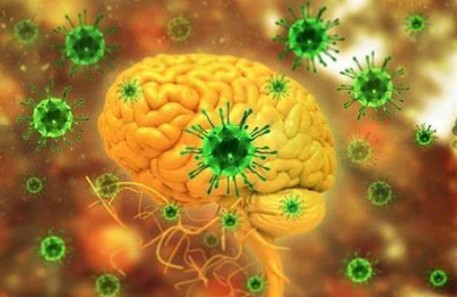
A new outbreak of Nipah Virus infection has just started in the Kerala province in India. Warning bells are ringing and it is taken very seriously by the local government. Even schools have been closed. More than 1000 people have been infected so far of which 327 people are health care workers. Indicating that the inter human transfer is now taking place. Fortunately, the number of fatalities is still low. This in contrast with the last outbreak – where the mortality percentage was high and 21 out of 23 patients died. The world Health Organisation [WHO] has defined a priority list with five potential threats that could trigger a new pandemic. The Nipah Virus as well as the Hendra Virus in Australia are on that priority list. One should realise that the higher the number of infections, the higher the risk of virus mutations.
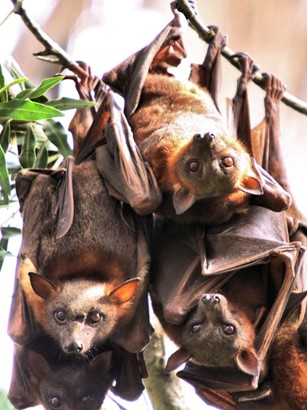
The countries at risk are those countries that have a population of fruit-bats : India, Bangladesh, Malaysia, Singapore, Australia, Cambodia, Thailand, Taiwan, China, Indonesia, Ghana and the Philippines. In a message from the NIH: The National Institute of Health, it is mentioned that an mRNA based vaccine is in clinical trial since 2022. A vaccine that should prevent Nipah and Hendra Virus infections.


