




Background:
Healthcare-associated infections (HAI) are a threat to patient safety. And therefore it is essential that each person, that is involved in the supply chain of providing bacteriologically safe linen, is aware of the factors that could have a negative influence on that safety.
Certification of laundry processing – as well as training – have improved the bacteriological quality of hospital linen to a respectable level. And this in such a way that the hospital patients are fully protected from being infected by bacteria, viruses, fungi or yeasts.
In addition it has to be mentioned here that the health of all staff members of the laundry has also to be protected. With special emphasis on the health of those staff members that handle the incoming soiled and infected linen.
Example: Respiratory illnesses
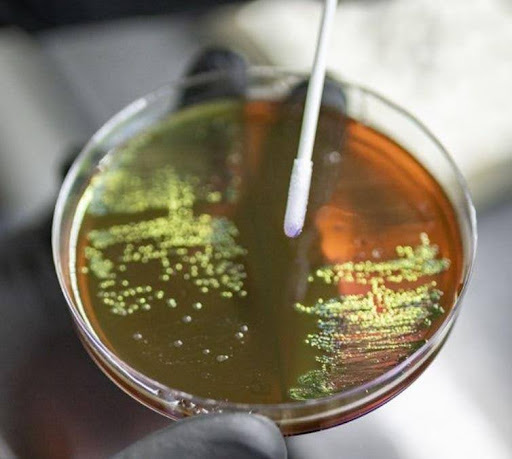
From WHO and CDC data we learned that respiratory illnesses were globally at an extra-ordinary high level in last winter [Northern Hemisphere].
These infections included: Flu, Covid19, RSV and Pneumonia. The first three are seasonal now, and pretty common virus infections in most countries. Most hospital laundries have no difficulties any more in handling the linen that is infected with these three viruses.
Pneumonia is a different “animal” in this row of outbreaks. In addition to viral infections that can cause pneumonia, the WHO mentions bacterial infections [ Streptococcus pneumoniae ] as he main cause of death for children under 5. People at risk for pneumonia also include adults over the age of 65 and people with preexisting health problems.
Focus for the hospital laundry
First of all the responsibilities in the laundry have to be defined and 100 % clear to everybody. One dedicated person needs to have the contacts with the hospital[s] staff. This is vital. To make sure that the soiled linen – arriving from the hospital wards and Operating Theatres – is clearly classified. By doing so one has to be prepared handling the incoming infectious goods with the correct and well defined procedures.
Some countries don’t allow a drain between pre-wash and main-wash. This is and wasn’t only limited to COVID 19, but also forbidden when dealing with pathogenics such as : MRSA, VRE, C.Diff and Acinetobacter Baumanii.
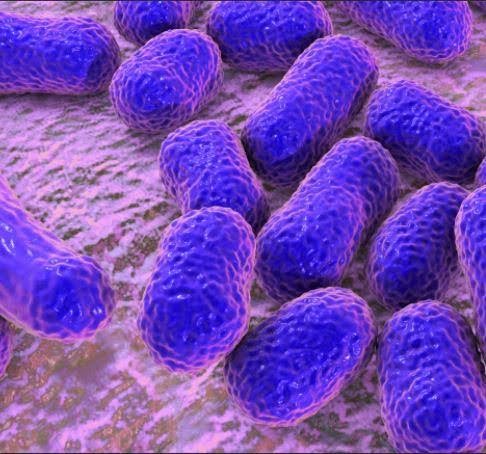
Photo on the left Acinetobacter Baumanii.
CDC documents underscore the importance of following local and / or internationally agreed disinfection rules. Such as defined in RABC / PR EN 14065 and CERCLEAN.
Supportive building blocks inside these certification systems mention:
- Review objectives to be achieved
- Periodical validation of the wash process
- Pest control system in place [ to prevent Lassa Fever amongst other diseases ]
- Assess and Classify risks by zone
These four measures are just a few examples of those to be systematically carried out. See also last chapter of this document.


